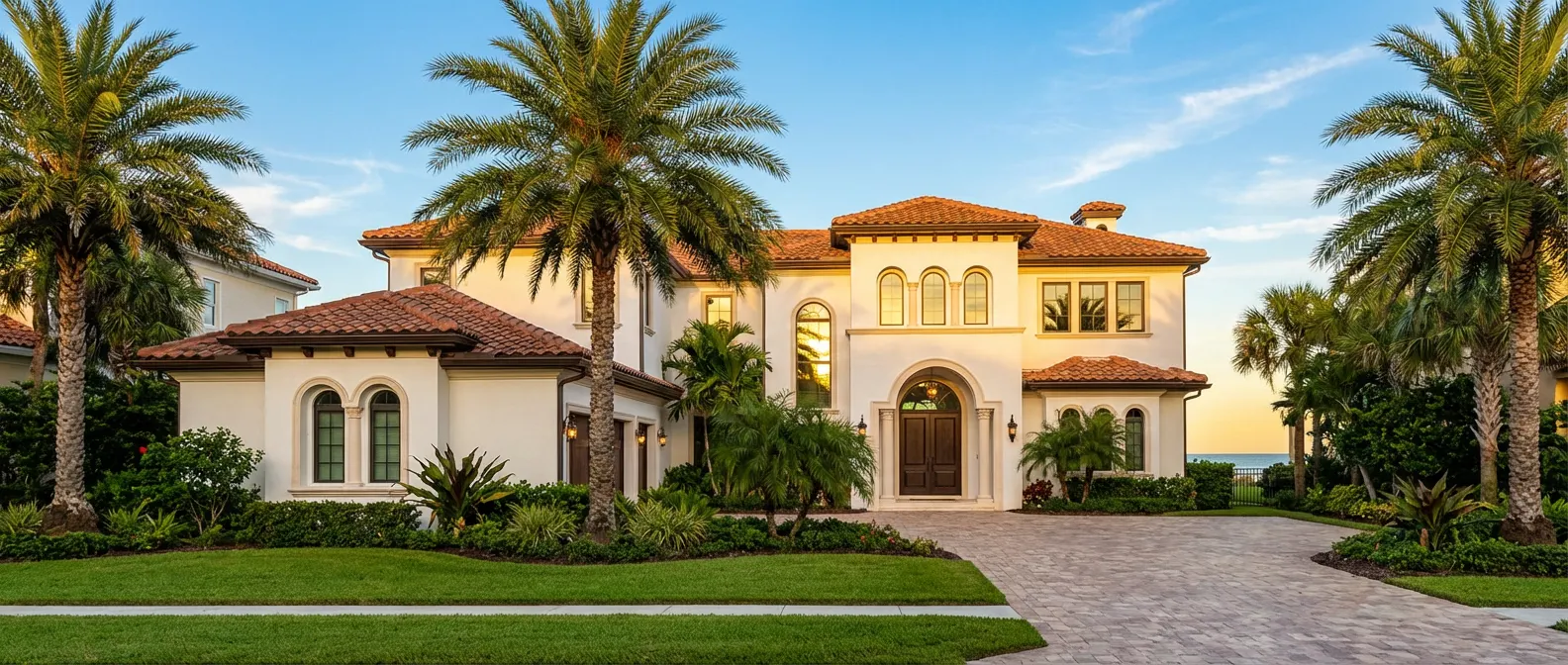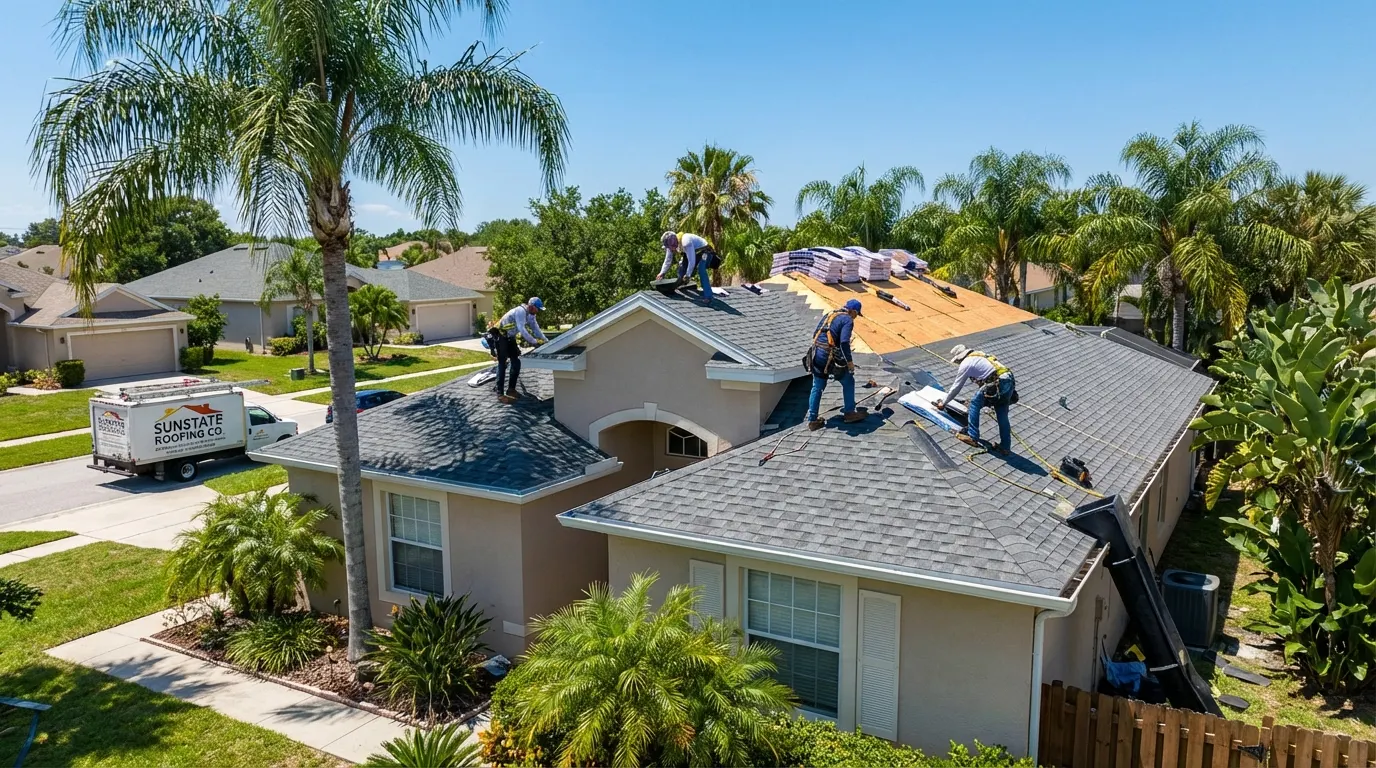
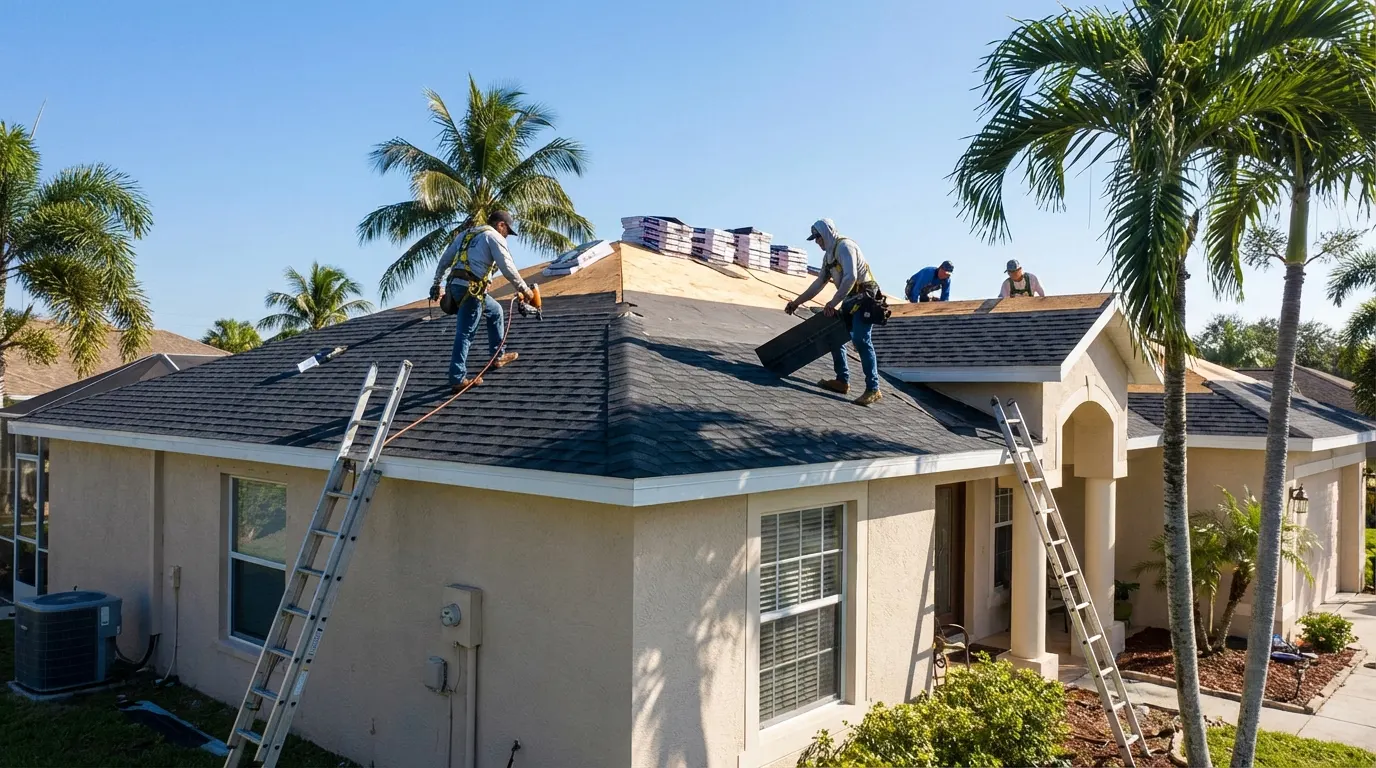
A hurricane-rated roof is one designed and installed to resist the wind speeds and wind-driven rain expected where your home sits. In Volusia County, that comes down to a system of parts working together: the right materials, a secondary water barrier, proper deck attachment and solid connections between the roof and the walls.
There is no single product that makes a roof hurricane proof. What matters is how the whole roof is built. Here is a plain-language look at the pieces homeowners should know about.
Design Wind Speeds and Where Volusia Fits
The Florida Building Code assigns design wind speeds based on location and building type. Coastal areas generally have higher design wind speeds than inland areas, so a home in Daytona Beach and a home in DeLand may have different requirements. Your contractor and building department use these maps to determine how a roof must be attached and which products are approved.
It is worth clearing up one common point of confusion. Volusia County is not part of the High Velocity Hurricane Zone, often called the HVHZ. That designation applies to Miami-Dade and Broward counties, which have some additional testing and approval rules. Roofs in Volusia still have to meet strict statewide wind requirements, they just follow the standard Florida Building Code provisions rather than the HVHZ ones. For the exact wind speed at your address, check with your building department or call us at 386-785-3651.
The Secondary Water Barrier
When shingles or tiles are damaged in a storm, wind-driven rain can get into the home through the roof deck. A secondary water barrier helps keep that water out even if part of the roof covering is lost.
Common approaches include:
- Self-adhering membrane tape applied over the seams between deck sheets
- A full layer of self-adhering underlayment over the entire deck
- Other methods the code recognizes for sealing the roof deck
Current Florida code includes requirements for this kind of protection on many new roofs and reroofs, and it is one of the features that wind mitigation inspections look for. Your contractor can explain which method fits your roof type.
Enhanced Deck Nailing
The roof deck is the plywood or OSB layer under your shingles or tile. In high winds, uplift forces try to pull that deck off the framing. Using the right nails at closer spacing makes a big difference in how well the deck stays attached.
When a roof is replaced, the deck is exposed, which makes it the ideal time to check and improve the attachment. Florida's code sets requirements for re-nailing the deck during a reroof in many situations, and your contractor will follow what applies to your home.
Roof-to-Wall Connections
Even a well-attached deck only helps if the roof structure stays connected to the walls. Older homes may rely mainly on nails driven at an angle, called toe nails. Newer construction often uses metal clips or straps that tie each truss or rafter to the wall.
Upgrading these connections can be harder on an existing home because the attachment points are not always easy to reach. Still, it is worth asking about, especially during a full roof replacement or a remodel that opens up the area.
Impact-Resistant and High-Wind Materials
The roof covering itself matters too. Options we install include:
- Impact-resistant shingles: Built to better handle hail and flying debris, and rated for high winds when installed to the manufacturer's specifications.
- Metal roofing: Properly fastened metal systems perform well in wind and are a popular choice across Florida.
- Tile roofing: Heavy and durable, with attachment methods that must meet wind requirements.
- Architectural shingles: Many are rated for high wind speeds when installed with the correct nailing pattern.
Some insurers offer credits for certain roof features, and rules vary by company, so check with your insurer before you choose.
Getting a Storm-Ready Roof
Bill Edwards holds a Florida Roofing Contractor license (CCC1335297) and a General Contractor license (CGC1506738). Our team handles new installs, replacements and storm damage repair across Volusia County, including Daytona Beach and Ormond Beach. We can also help homeowners understand state programs like My Safe Florida Home. Schedule a free roof inspection to see where your roof stands.
FAQ
Is Volusia County in the High Velocity Hurricane Zone?
No. The HVHZ covers Miami-Dade and Broward counties. Volusia roofs follow the standard Florida Building Code wind requirements, which are still strict and vary by location.
What is a sealed roof deck?
It is a secondary water barrier, such as taped seams or a full self-adhering underlayment, that helps keep water out if the roof covering is damaged in a storm.
Will a hurricane-rated roof lower my insurance?
It may. Many insurers offer credits for features documented on a wind mitigation inspection, but rules vary by company. Ask your insurer what applies to your policy.
Written by the Coastal Home Creations team: third-generation builders licensed in Florida (GC CGC1506738, Roofing CCC1335297). General information only; for your specific home, call 386-785-3651.