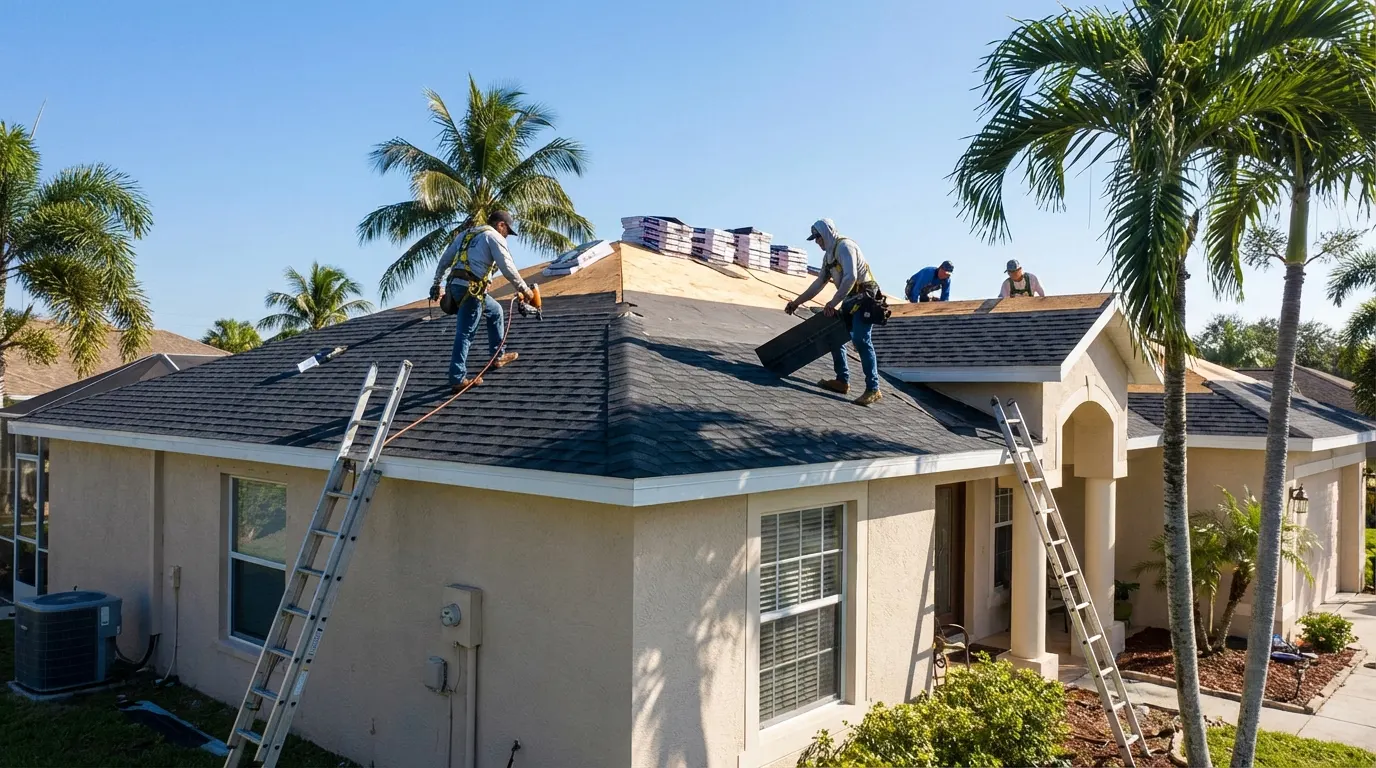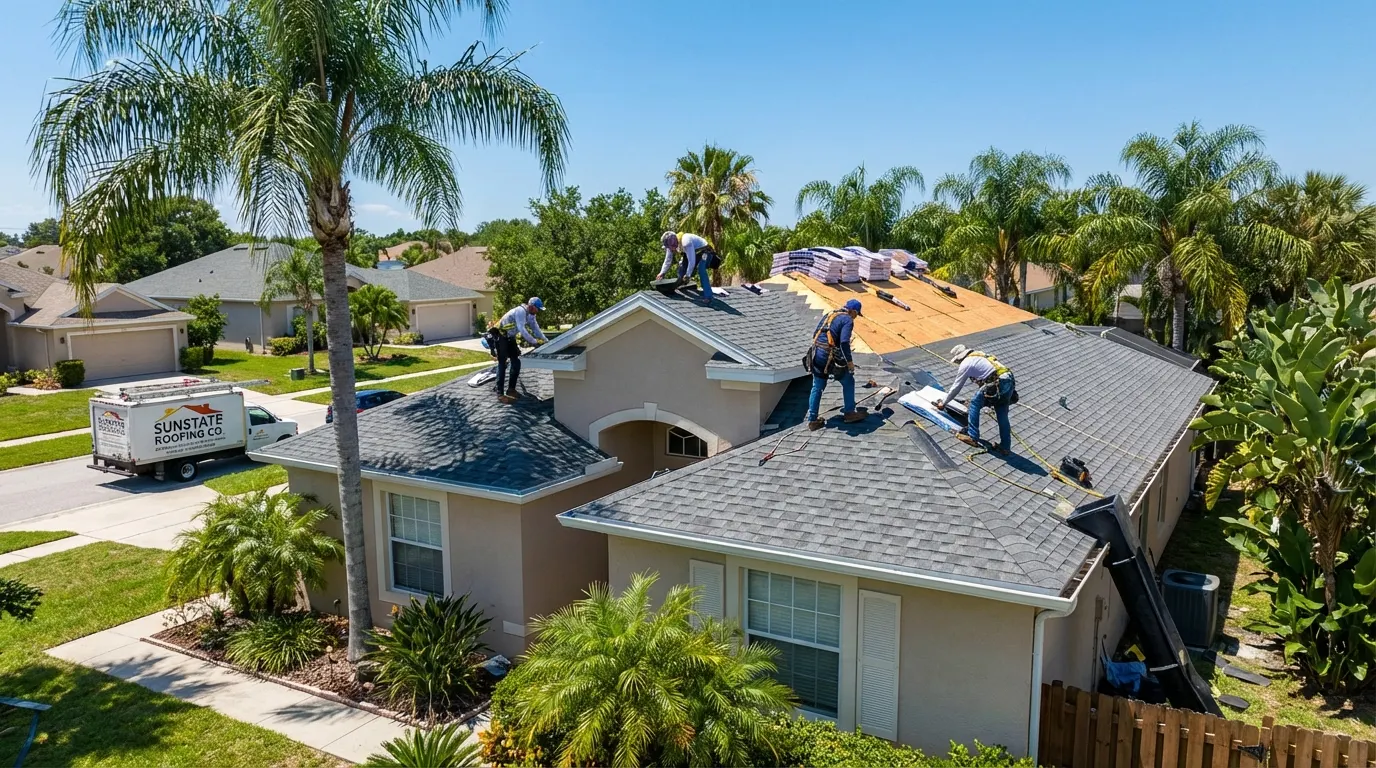

Tile roofs are a strong choice for many Florida homes because they can last a long time, handle heat well and give a house that classic coastal or Mediterranean look. The tradeoffs are weight, cost compared with some other materials, and the need for careful installation and occasional upkeep.
If you're building a custom home or replacing a roof in Volusia County, tile is worth a serious look. Here is an honest rundown of how it works and what to expect.
Clay vs Concrete Tile
Tile roofs generally come in two main types.
- Clay tile is made from fired natural clay. It holds its color well since the color is part of the material, and it has a timeless look. It tends to be more expensive and can be more brittle.
- Concrete tile is made from cement and sand. It comes in many profiles and colors, often costs less than clay, and is widely used across Florida. Some concrete tiles have surface color that can fade over time.
Both come in flat, low profile and high profile (barrel or S shaped) styles. The right choice depends on your budget, the look you want and your home's structure.
Weight and Structure
Tile is heavy, much heavier than asphalt shingles or metal. That means the roof framing has to be designed to carry the load. For new construction, this is planned from the start. For a home switching from shingles to tile, a contractor and possibly an engineer should evaluate whether the existing structure can support it. Skipping this step is not an option. Our custom home builds factor roof material into the engineered plans from day one.
The Underlayment Is the Real Water Barrier
Here is the part many homeowners don't know: the tiles themselves are not what keeps water out. Tiles shed most of the water and protect what's beneath them from sun and debris, but wind driven rain can get under them. The underlayment below the tile is the true waterproofing layer.
That is why underlayment quality and installation matter so much. When a tile roof leaks, the cause is often aging or damaged underlayment rather than the tile. The tile can often outlast the underlayment beneath it, and a reroof sometimes means lifting the tile, replacing the underlayment and reinstalling or replacing the tile. Ask your roofer what underlayment they plan to use and why.
Wind Attachment in Florida
Florida's building code has specific requirements for how roof tiles are attached to resist high winds. Depending on the system and location, tiles may be fastened with mechanical fasteners, approved adhesives or a combination. Product approvals and attachment methods are part of what gets reviewed in the permit and inspection process.
Requirements can vary by location and product, so a licensed roofing contractor should handle this and pull the permit. If you're curious about wind mitigation and possible insurance savings, ask your insurer what documentation they accept. Programs like My Safe Florida Home may also be worth checking at mysafeflhome.com.
Upkeep That Keeps Tile Going
Tile roofs are not maintenance free, but the care is fairly simple. A few good habits:
- Schedule periodic inspections, and always after a major storm.
- Replace cracked, slipped or broken tiles promptly.
- Keep valleys, gutters and roof edges clear of leaves and debris.
- Trim back overhanging branches that can scrape or crack tile.
- Avoid walking on tile yourself, since it can crack under a person's weight.
Some homeowners also clean tile to remove mold, mildew or algae. Use gentle methods recommended for your tile type, since harsh pressure washing can cause damage.
Is Tile Right for Your Home?
Tile can be a great fit for homes in Ormond Beach, New Smyrna Beach and across Volusia County, but every home is different. Learn more about the materials we install on our roofing page, or contact us for a free roof inspection.
FAQ
Can I switch from shingles to a tile roof?
Often yes, but the roof structure must be evaluated first because tile is much heavier. A contractor and possibly an engineer should confirm the framing can carry the load.
Why does my tile roof leak if the tiles look fine?
The underlayment beneath the tile is the main water barrier. If it is aging or damaged, water can get through even when the tiles look intact.
Can I walk on my tile roof?
It's best not to. Tiles can crack under a person's weight. Leave inspections and repairs to a licensed roofer who knows where and how to step.
Written by the Coastal Home Creations team: third-generation builders licensed in Florida (GC CGC1506738, Roofing CCC1335297). General information only; for your specific home, call 386-785-3651.